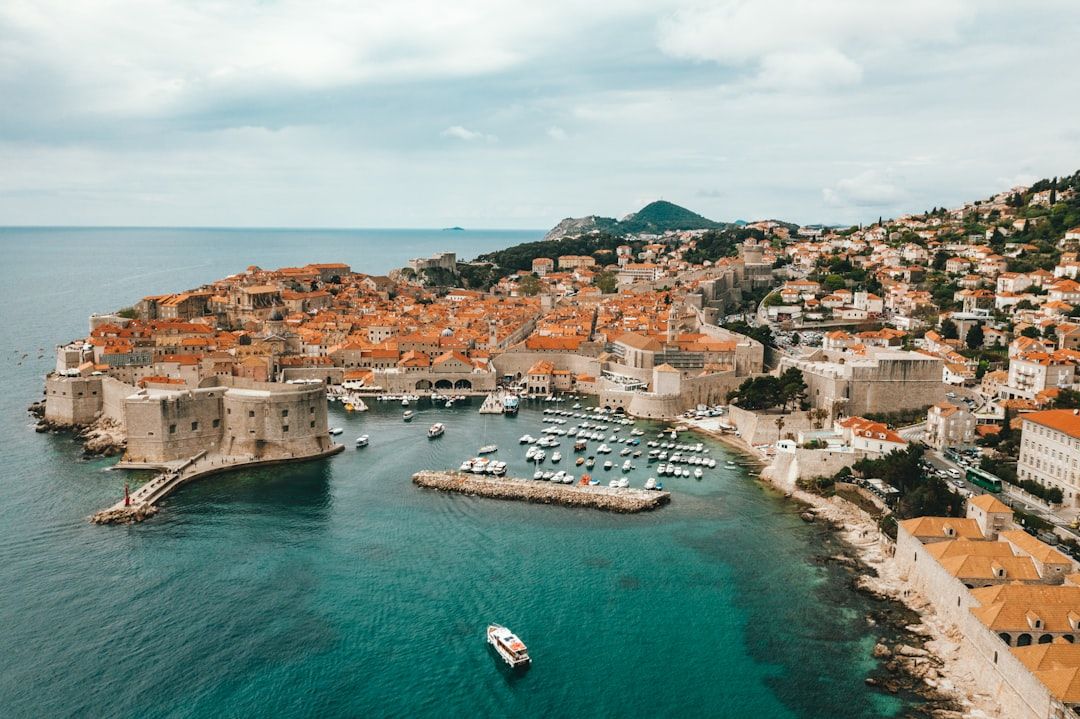
Croatia's coast runs 1,700 kilometres and has almost no railway. The transport plan is therefore the whole plan, and it is built on buses and ferries.
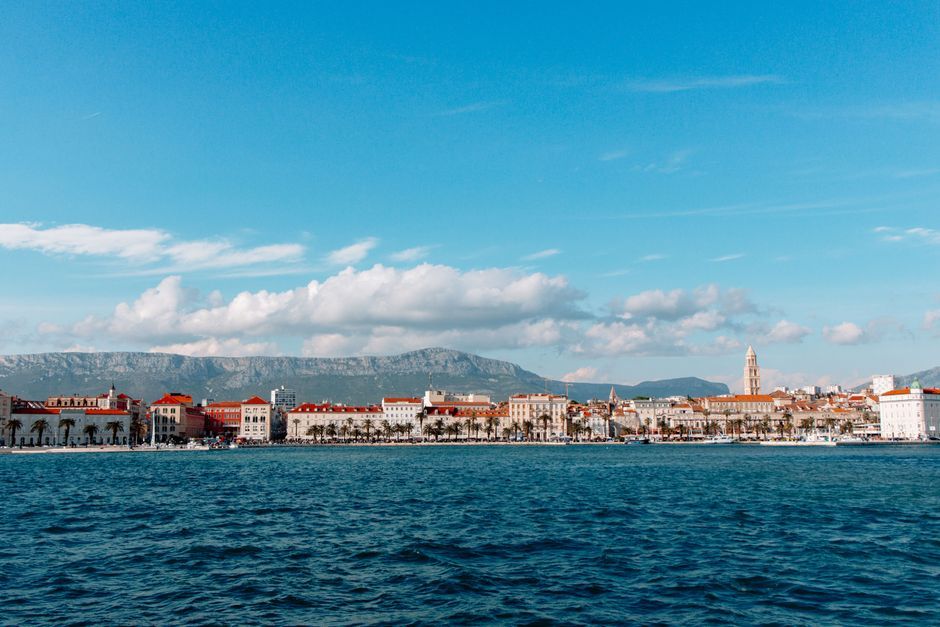
Buses, not trains
The rail network serves the interior and Zagreb. The coast runs on buses — frequent, comfortable, air conditioned, and how everyone travels.
| Route | Time |
|---|---|
| Zagreb–Split | 5–6h |
| Split–Dubrovnik | 4–5h |
| Zadar–Split | 2–3h |
| Zagreb–Plitvice | 2–3h |
Book ahead in July and August; otherwise turning up at the station works.
The islands
Ferries from Split, Zadar and Dubrovnik, with car ferries and faster passenger catamarans on most routes. Split is the main hub for Dalmatia.
Hvar — the famous one, with a nightlife scene in Hvar Town and quiet stone villages twenty minutes inland.
Vis — furthest out, closed to foreigners until 1989 as a military base, and correspondingly undeveloped.
Korčula — walled town, easy from Dubrovnik or Split.
Brač — closest to Split, with the Zlatni Rat beach.
Summer schedules are frequent; winter drops sharply. Catamarans cancel in strong wind, car ferries less so.
Split versus Dubrovnik
Different places, and people conflate them.
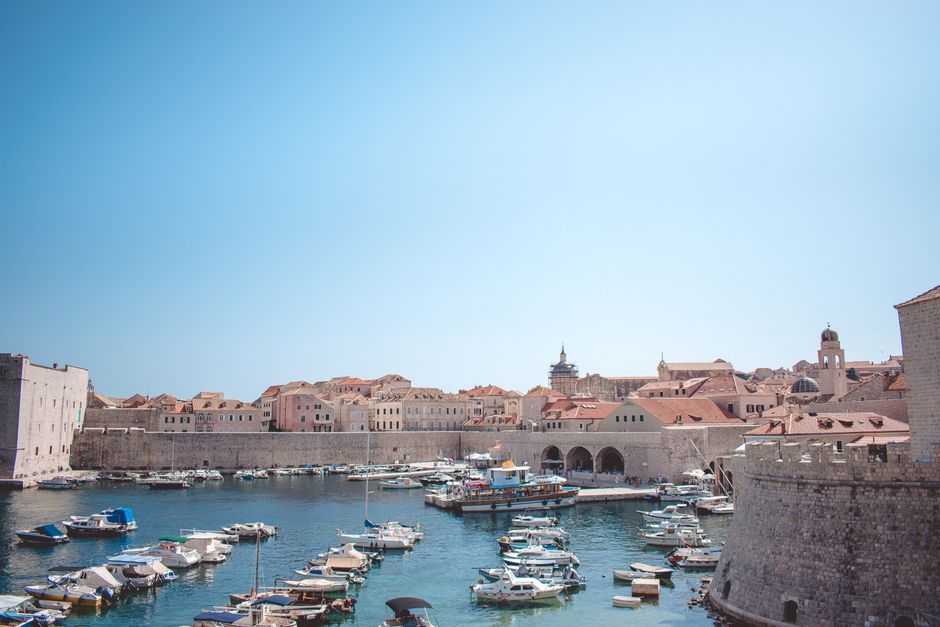
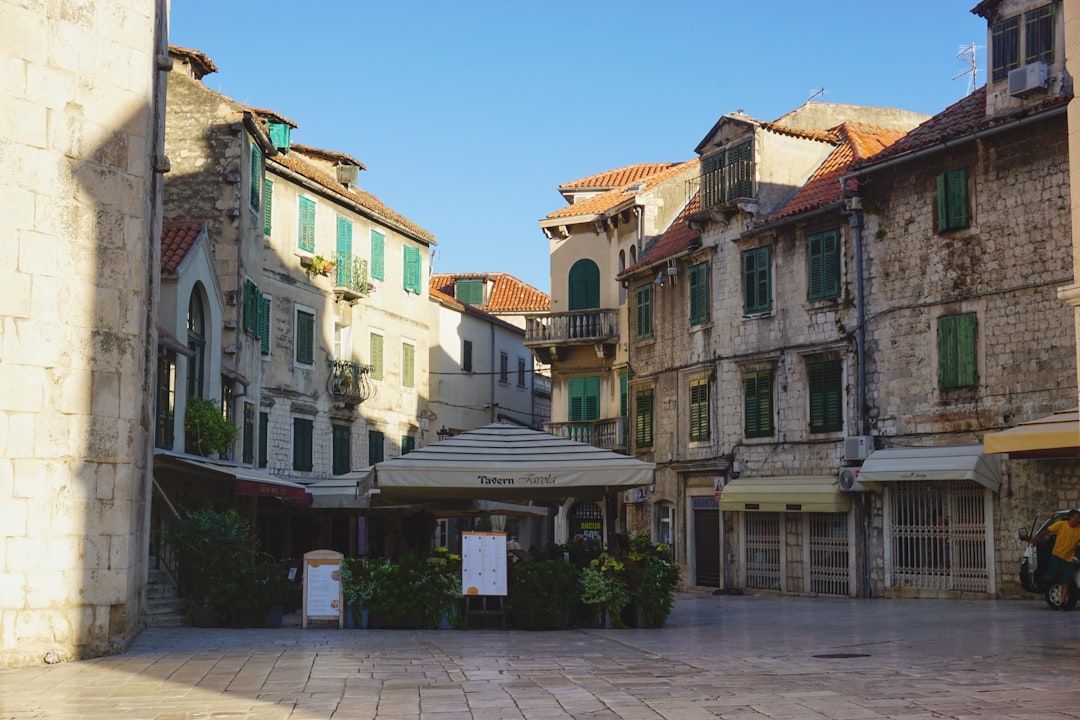
Split is a working city built inside a Roman palace — Diocletian's, with residents, shops and bars in the fourth-century structure. Better transport connections, cheaper, and it lives year round.
Dubrovnik is a walled museum piece, genuinely magnificent and genuinely overwhelmed — cruise arrivals can put thousands into the old town at once. Two nights, and walk the walls at opening or in the last hour.
Base in Split. Visit Dubrovnik.
Plitvice and the interior
Plitvice Lakes — timed entry, capped numbers, sells out in summer. The boardwalks are one-way and congest at midday, so early or late slots are much better. Four to six hours for the full circuit.
Krka is smaller, closer to Split, and less crowded.
Istria, in the north — hill towns, truffles, Roman Pula, and an Italian influence that makes it feel like a different country. Needs a car and repays several days.
The Bosnia strip
The coastal road crosses a short strip of Bosnian territory at Neum. The Pelješac bridge now bypasses it entirely.
If driving, check whether your route involves the crossing and whether your rental agreement permits taking the vehicle across a border — some restrict it.
Timing
May, June, September — warm, swimmable from June, and without August's crowds and prices.
July and August — the coast is at capacity and accommodation prices roughly double.
October to April — many island businesses close and ferry schedules thin. Split and Dubrovnik stay open; the islands largely do not.