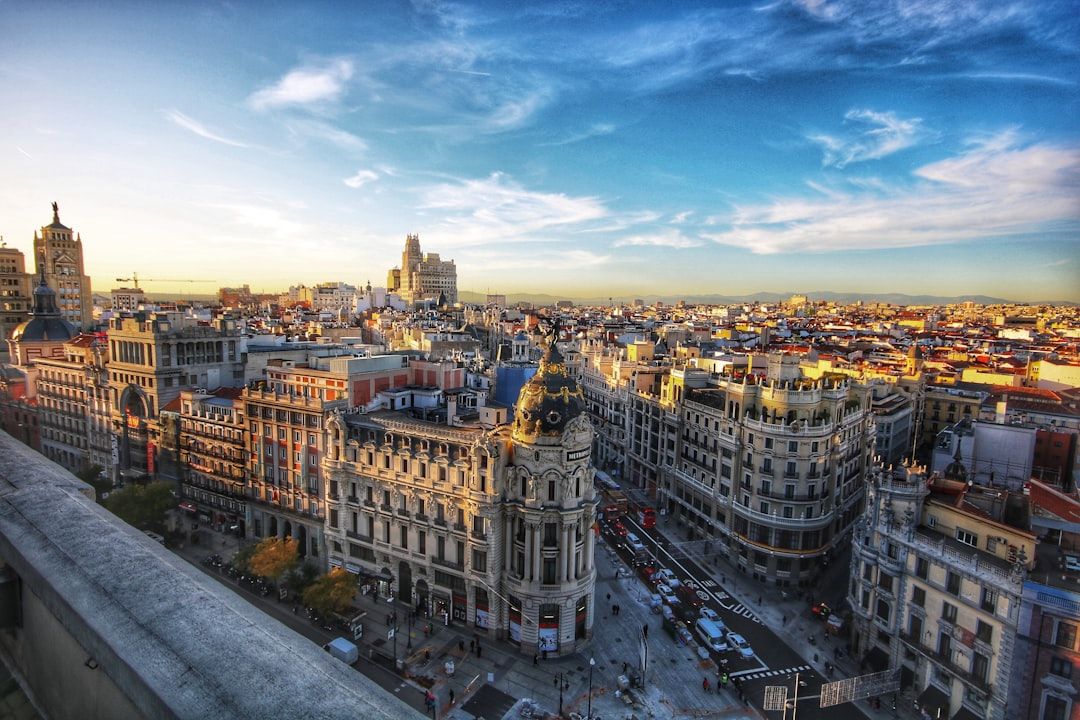
Spain is bigger than its itineraries assume. Barcelona to Seville is over 1,000 kilometres, and the regions differ in language, food and temperament enough that covering four in a week means seeing none.
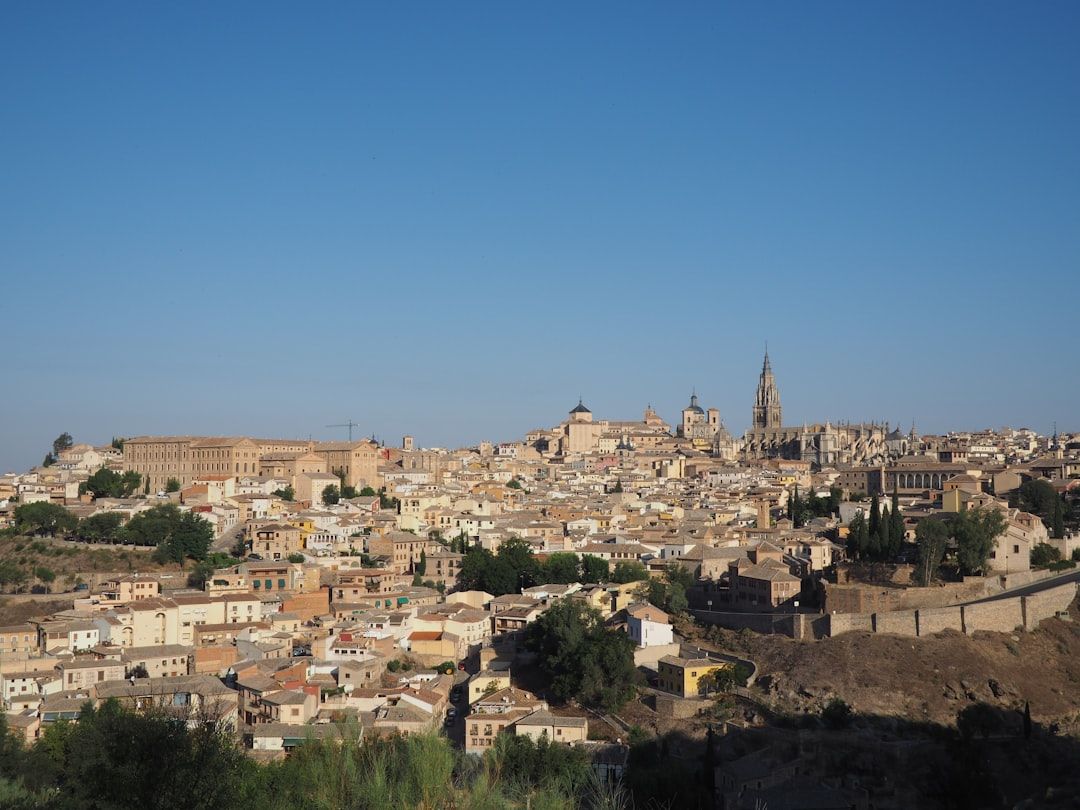
Two regions per week
Pairings that work:
Madrid and Andalusia — the capital plus Seville, Córdoba and Granada, all on the high-speed line.
Barcelona and Valencia — Catalonia plus the coast, two and a half hours apart.
Bilbao and the Basque coast — San Sebastián, the fishing towns, and the best eating in the country.
Seville and Portugal's Algarve — which crosses a border and still works better than adding a fourth Spanish city.
What does not work: Barcelona, Madrid, Seville and Granada in seven days, which is four hotel check-ins and a lot of station platforms.
The trains
Spain's high-speed network is the largest in Europe and now has three competing operators on the main corridors.
| Route | Time | Advance fare |
|---|---|---|
| Madrid–Seville | 2h30 | €20–45 |
| Madrid–Barcelona | 2h30 | €20–50 |
| Madrid–Valencia | 1h50 | €15–35 |
| Seville–Córdoba | 45min | €15–25 |
Compare Renfe, Ouigo and Iryo on the same route rather than defaulting to Renfe. Competition pushed prices down substantially and the difference is often 50%.
Book two to eight weeks ahead. Walk-up fares are more than double.
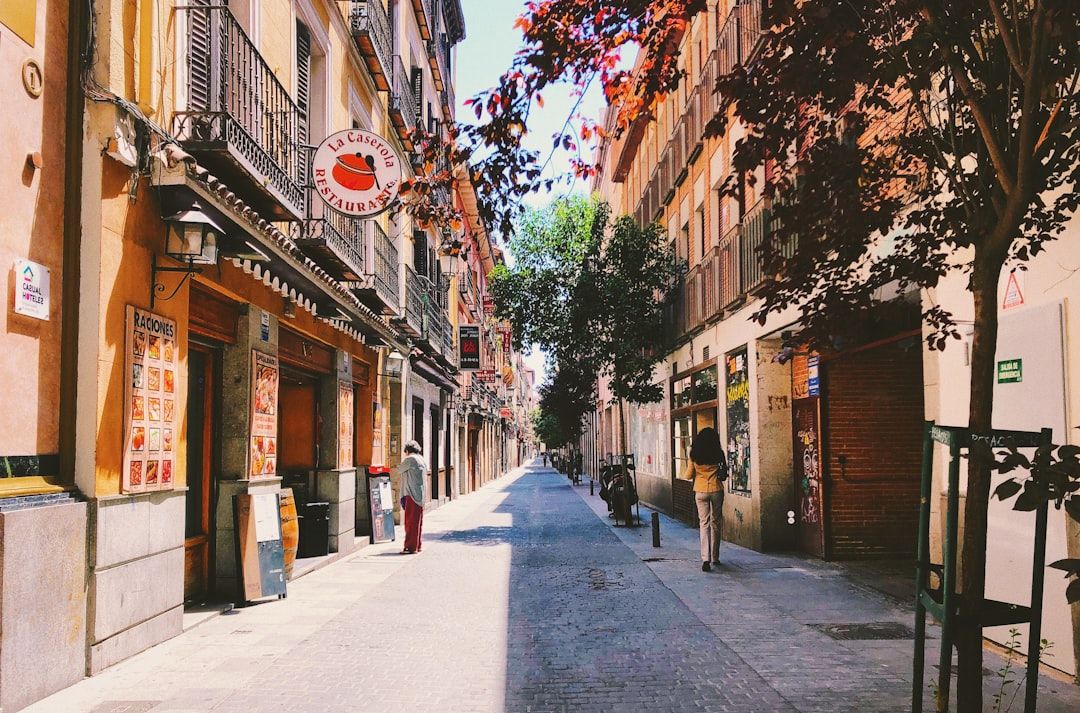
Where a car is necessary
Not for the cities — the rail network handles them better than driving would.
Yes for: the Andalusian white villages, rural Extremadura, the Picos de Europa, the Basque coast beyond the main towns, and inland Catalonia.
Rent locally for two or three days rather than the whole trip. City centres have low-emission zones with camera enforcement, and parking in Seville or Barcelona is a problem you do not need.
The daily rhythm
Which catches out more visitors than any other single thing.
Lunch from 2pm. Dinner from 9pm. Kitchens closed in between. Restaurants serving at 7pm are aimed at tourists.
The workable pattern: a late breakfast, a proper long lunch — which is when the menú del día offers three courses for €12–15 — and tapas in the evening.
Some shops still close in the afternoon, particularly in the south and in smaller towns.
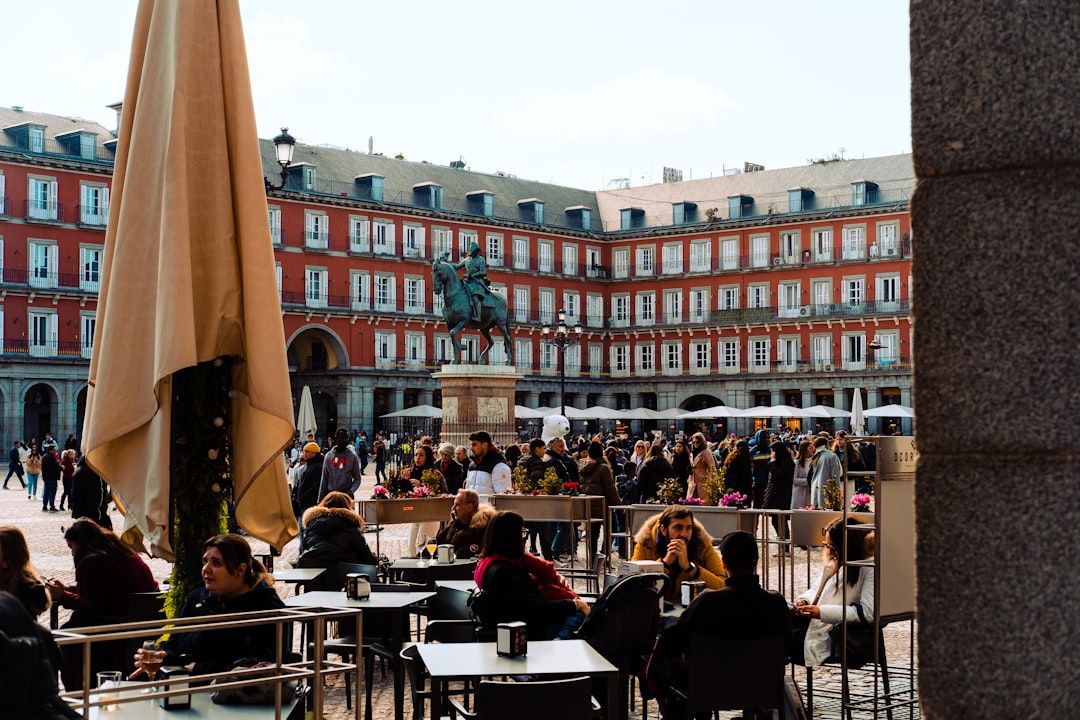
What to book ahead
The Alhambra in Granada — weeks ahead, timed entry to the Nasrid Palaces, and it genuinely sells out.
Sagrada Família — timed slots, and the tower access is separate.
Park Güell — timed entry to the monumental zone.
Almost nothing else needs booking, which is unusual for western Europe.
Timing
April to June and September to October are the good months.
July and August in the interior — Seville, Córdoba, Madrid — regularly exceed 40°C. Seville in August is genuinely difficult, and locals leave.
The north — Galicia, Asturias, the Basque Country — is green, mild and wet, and is the summer answer.