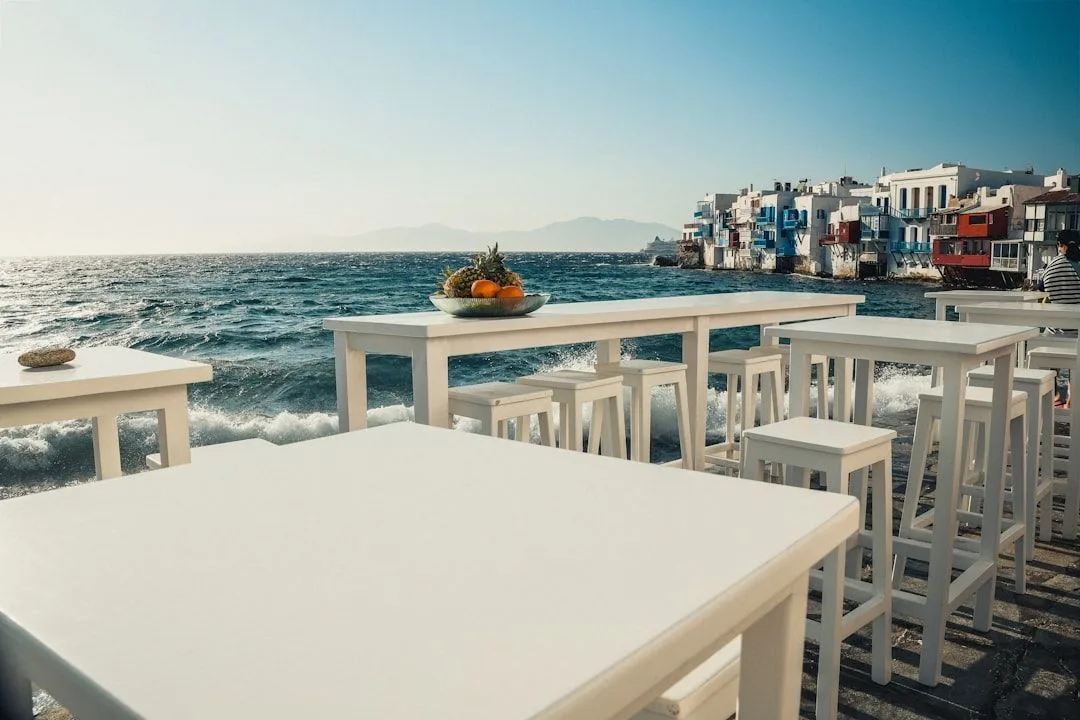
The standard first Italy itinerary is Rome, Florence and Venice in a week. It moves every two nights and spends a fifth of the trip checking in and out.
What a move actually costs
A morning packing and checking out. A train. An afternoon arriving, finding the hotel, working out the neighbourhood.
Roughly half a day per move. Three moves in seven days is a day and a half of the trip in transit, plus the accumulated fatigue that makes the last city blur.
Two bases, with day trips
Italian rail makes this genuinely easy.
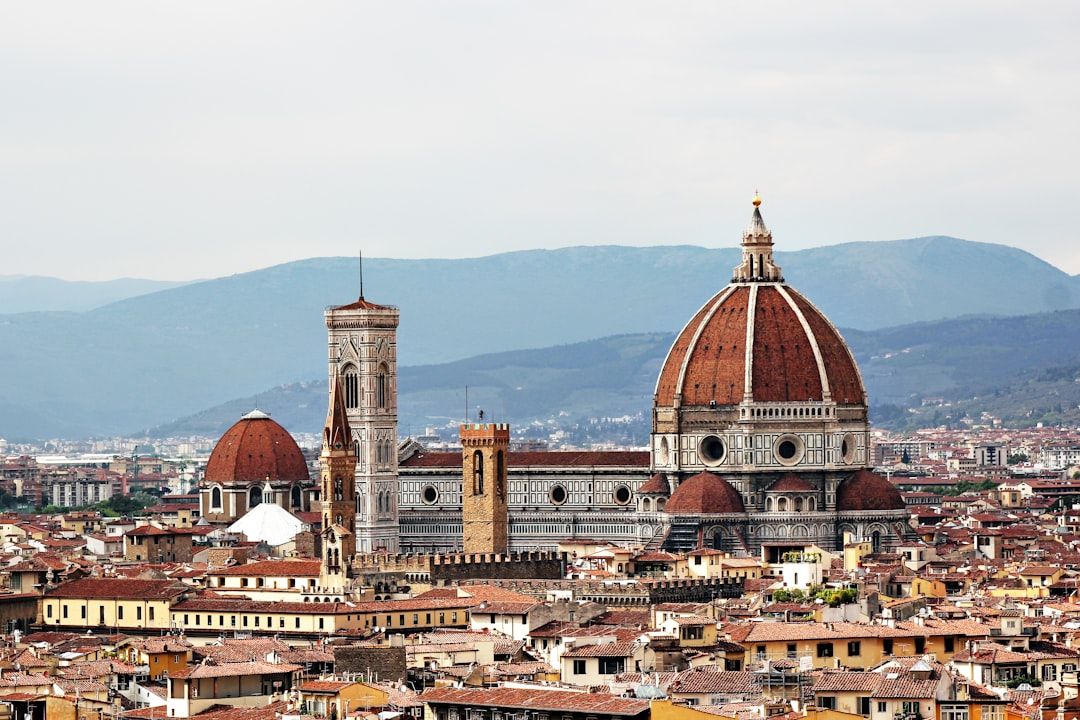
Rome (4 nights) — with day trips to Ostia Antica, Tivoli or Orvieto.
Florence (3 nights) — with Siena, Pisa, Lucca or Bologna, all under 90 minutes.
Or:
Venice (3) plus Bologna (4) — Bologna being the food capital and a rail hub with Modena, Parma, Ravenna and Florence all close.
Or for a quieter trip: Naples (4) with Pompeii, Herculaneum and the Amalfi coast, plus Rome (3).
The trains
| Route | Time | Advance |
|---|---|---|
| Rome–Florence | 1h30 | €20–35 |
| Florence–Venice | 2h | €25–45 |
| Rome–Naples | 1h10 | €15–30 |
| Milan–Rome | 3h | €30–60 |
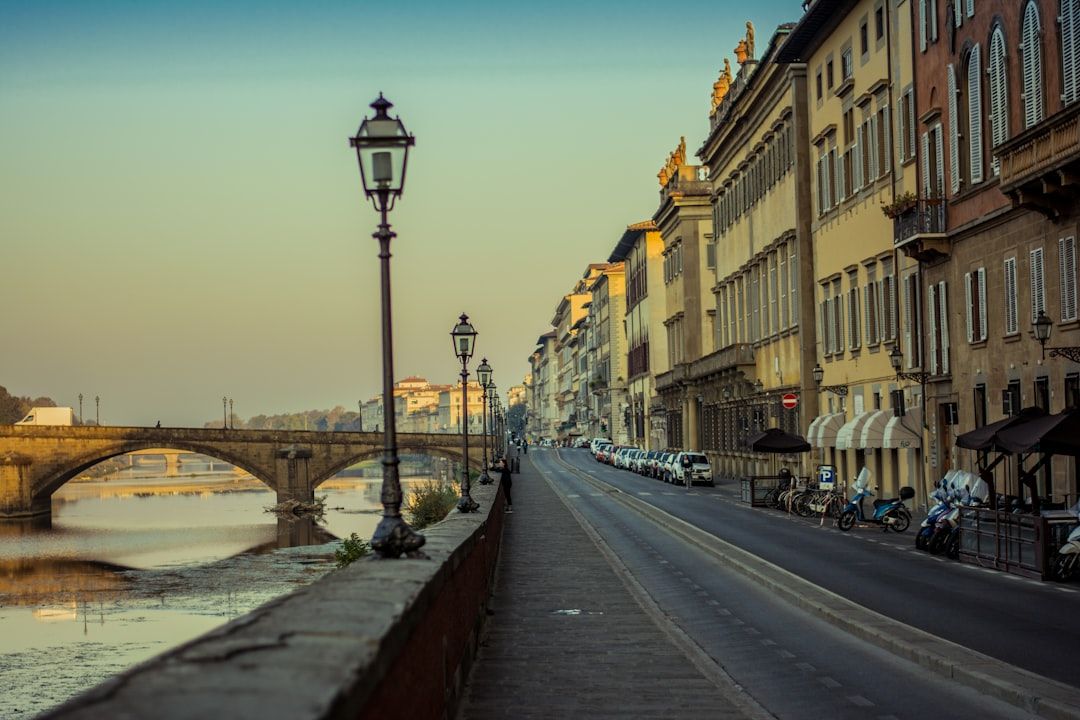
Trenitalia and Italo compete on the main corridors — compare both. Book two to eight weeks out; walk-up is roughly triple.
Regional trains are flat-fare and need no booking, but must be validated before boarding at the platform machines. The fine for an unvalidated ticket is real and inspectors do not accept explanations.
Where a car is needed — and where it is a liability
Needed: Tuscany's hill towns, Umbria, Puglia beyond the main towns, the Dolomites, rural Sicily.
A liability: every city. ZTL zones cover most historic centres, monitored by cameras that issue fines automatically. Driving into one without a permit produces a penalty that arrives at your rental company months later, with an administration fee.
The pattern that works: train between cities, collect a rental outside the centre for the rural section, return it before the next city.
What to book
Uffizi and Accademia in Florence — timed entry, weeks ahead in season.
Vatican Museums — two to four weeks.
Colosseum — timed slot, one to two weeks.
Last Supper in Milan — months ahead, and it genuinely sells out that far.
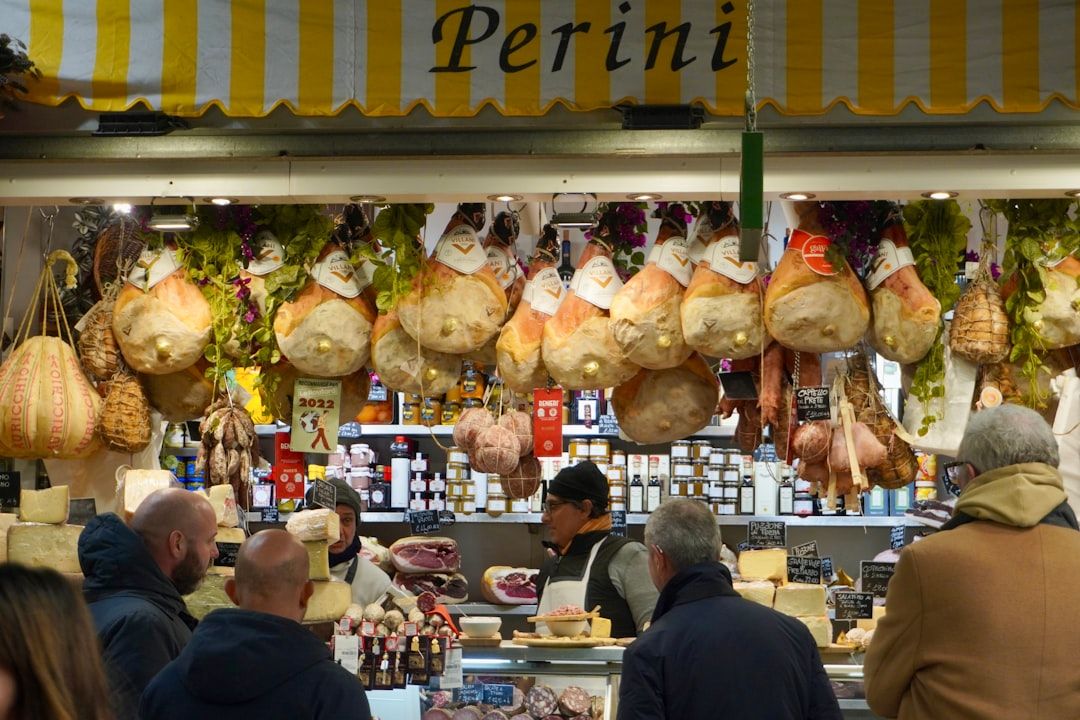
Everything else — churches, piazzas, most towns — needs nothing.
Timing
April to early June and September to October.
August is hot, and Italians themselves are on holiday — many city restaurants and shops close for two or three weeks, particularly around Ferragosto on 15 August.
Winter in the art cities is excellent: no queues, cheap accommodation, and the museums are the point anyway.